Treatments
Oncology Treatments
Cancer treatment today relies on a multidisciplinary approach that combines medical expertise, advanced technology, and individualized care. In leading medical centers in Israel, oncology treatments are tailored to each patient’s diagnosis, stage of disease, overall health, and personal circumstances.
Below is an overview of the main oncology treatment modalities commonly available at major Israeli medical centers, including university hospitals and specialized oncology institutes.
Chemotherapy
Chemotherapy is a systemic cancer treatment that uses anti-cancer drugs to destroy malignant cells or prevent their growth and division. It may be used as a primary treatment, before surgery (neoadjuvant), after surgery (adjuvant), or in combination with other therapies such as radiotherapy or immunotherapy.
Treatment protocols are selected based on tumor type, molecular characteristics, and international clinical guidelines. Chemotherapy may be administered intravenously, orally, or through other targeted delivery methods, with careful monitoring and supportive care to manage side effects.
Radiotherapy
Radiotherapy uses precisely targeted radiation to destroy cancer cells while minimizing damage to surrounding healthy tissue. Modern radiotherapy techniques rely on advanced imaging, computer-assisted planning, and highly accurate delivery systems.
Depending on the clinical indication, radiotherapy may be used as a standalone treatment, in combination with chemotherapy, or as part of post-surgical care. Techniques may include external beam radiotherapy, intensity-modulated radiotherapy (IMRT), stereotactic radiotherapy, and brachytherapy, when appropriate.
Immunotherapy
Immunotherapy is an advanced form of cancer treatment that works by activating or enhancing the patient’s own immune system to recognize and attack cancer cells. This approach has significantly changed treatment strategies for multiple types of cancer.
Immunotherapy may include immune checkpoint inhibitors, monoclonal antibodies, and other immune-modulating agents. Treatment eligibility is determined through detailed diagnostic evaluation, including biomarker and molecular testing, and is administered under close medical supervision.
Targeted Therapy
Targeted therapy focuses on specific genetic, molecular, or cellular features of cancer cells. Unlike traditional chemotherapy, targeted treatments are designed to interfere with cancer growth mechanisms while limiting effects on healthy cells.
These therapies are often selected based on molecular profiling of the tumor and may be used alone or in combination with other treatment modalities. Ongoing monitoring ensures treatment effectiveness and safety.
Molecular Diagnostics and Precision Medicine
Molecular diagnostics play a central role in modern oncology by identifying genetic, genomic, and molecular characteristics of tumors. Through advanced testing methods such as next-generation sequencing (NGS), biomarker analysis, and gene expression profiling, clinicians can gain deeper insight into tumor behavior and treatment responsiveness.
Precision medicine uses this molecular information to guide treatment selection, helping to match patients with therapies that are most likely to be effective for their specific cancer profile. Molecular testing may also assist in identifying eligibility for targeted therapies, immunotherapies, or clinical trials, when appropriate.
Surgical Oncology
Surgery remains a key component of cancer treatment for many solid tumors. Surgical oncology aims to remove the tumor and, when necessary, surrounding tissue, while preserving function and quality of life.
Advanced surgical techniques, including minimally invasive and robot-assisted procedures, are used whenever appropriate. Surgical decisions are made within multidisciplinary tumor boards to ensure optimal outcomes.
Bone Marrow and Stem Cell Transplantation
Bone marrow and stem cell transplantation are specialized treatments used primarily for hematological malignancies such as leukemia, lymphoma, and multiple myeloma, as well as selected non-malignant conditions.
These procedures involve replacing diseased or damaged bone marrow with healthy stem cells, either from the patient (autologous transplant) or from a donor (allogeneic transplant). Treatment is carried out in highly specialized units with comprehensive supportive care.
Multidisciplinary and Supportive Care
Cancer treatment often involves a combination of therapies delivered over time. Multidisciplinary teams of medical oncologists, radiation oncologists, surgeons, pathologists, radiologists, and supportive care specialists work together to design and adjust treatment plans.
Supportive care services focus on symptom management, nutritional support, pain control, and overall well-being, helping patients maintain quality of life throughout treatment.
Individualized Treatment Planning
All oncology treatments are based on individualized assessment and evidence-based medical practice. Treatment recommendations are made following thorough diagnostic evaluation and multidisciplinary review, with careful consideration of medical indications, risks, and expected outcomes.
Why Israel – Advanced Oncology Care
Israel is internationally recognized for its advanced medical system, combining clinical excellence, scientific innovation, and a strong academic foundation. In the field of oncology, Israeli medical centers are known for their ability to deliver complex, evidence-based cancer care supported by cutting-edge technology and multidisciplinary expertise.
A Strong Academic and Research Foundation
Many of Israel’s leading hospitals are university-affiliated institutions, integrating patient care with medical education and research. This academic environment allows physicians and researchers to work closely together, ensuring that clinical practice is continuously informed by the latest scientific developments.
Oncology departments benefit from active involvement in translational research, where laboratory discoveries are rapidly evaluated and applied in clinical settings. This approach supports the development of innovative diagnostic methods and treatment strategies.
Multidisciplinary Cancer Care
Cancer treatment in Israel is typically delivered through multidisciplinary teams that include medical oncologists, radiation oncologists, surgeons, pathologists, radiologists, and supportive care specialists. Treatment plans are developed through collaborative review, allowing for comprehensive evaluation and coordinated decision-making.
This team-based approach is particularly important for complex or advanced cases, where multiple treatment modalities may be combined or sequenced over time.
Advanced Diagnostic and Treatment Technologies
Israeli medical centers are equipped with advanced diagnostic laboratories, molecular testing capabilities, and state-of-the-art imaging technologies. These resources support accurate diagnosis, staging, and treatment planning.
Modern oncology services may include precision radiotherapy, minimally invasive and robotic surgery, targeted therapies, immunotherapy, and molecularly guided treatment approaches, selected according to individual patient profiles and international clinical guidelines.
Precision Medicine and Personalized Treatment
Precision medicine plays an increasingly important role in oncology care in Israel. Through molecular diagnostics, genetic profiling, and biomarker analysis, physicians can better understand tumor characteristics and treatment responsiveness.
This information helps guide individualized treatment selection, aiming to improve effectiveness while reducing unnecessary toxicity. Personalized treatment strategies are developed within regulated clinical frameworks and based on evidence-based medical practice.
Access to Clinical Innovation
Israeli oncology centers are actively involved in clinical research and international collaborations. When appropriate, patients may have access to innovative therapies or clinical trials that are conducted under strict ethical and regulatory standards.
Participation in clinical studies is always based on medical indication and patient eligibility, following thorough evaluation and informed consent.
Quality, Safety, and Continuity of Care
Healthcare delivery in Israel is guided by high standards of quality, safety, and professional accountability. Medical institutions operate within regulated healthcare frameworks and emphasize patient safety, transparency, and continuity of care.
For international patients, coordinated medical and logistical support helps ensure that care is delivered in a structured, clear, and well-managed manner, from initial evaluation through treatment and follow-up.
A Balanced and Patient-Focused Approach
Israel’s approach to oncology care combines advanced medical expertise with a strong focus on the individual patient. Clear communication, realistic expectations, and personalized support are central elements of the treatment process.
This balance between innovation and responsibility has positioned Israel as a trusted destination for advanced oncology care for patients from around the world.
Surgery
The Department of General Surgery
The Department of General Surgery is active in the following areas: Colorectal surgery; Laparoscopic surgery; Gastrointestinal surgery; Anorectal surgery; Oncological surgery; Bariatric surgery; Hepatobiliary; Traumasurgery; Transplantation of kidneys, liver and pancreas. Hadassah has 9 autonomous Departments of Surgery, which together comprise almost 300 beds, staffed by 75 physicians. Each is independently run by its own head, but all are linked under the Chief of Surgery for training, research and administration. In 1986, Israel’s Health Ministry designated Hadassah as the country’s Human Heart Transplant Center and in 1988 it was designated as one of Israel’s two centers for liver transplantation.
The Surgical Departments are: General Surgery (2 divisions); Orthopedic Surgery; Cardiothoracic Surgery; Otolaryngology/Head & Neck Surgery; Vascular Surgery; Plastic & Maxillofacial Surgery; Urological Surgery; Neurosurgery; Pediatric Surgery
Hadassah Medical Center Surgeons
Hadassah Medical Center surgeons recently performed a gastroenterological surgical procedure using the POEM (Per-Oral Endoscopic Myotomy) method, which does not involve incisions. The surgery was aimed at treating a condition called achalasia, which compromises the ability of the esophagus to move food down to the stomach. The results may be backflow of food (regurgitation), chest pain, difficulty in swallowing and heartburn.
Traditionally, surgeons employ laparoscopy or a surgical robot when operating on this problem. With the POEM method, the surgeon inserts an endoscope through the patient’s mouth into the esophagus and makes a cut in the annular muscle of the esophagus. This relieves the pressure on the esophagus, allowing the food to pass down freely to the stomach.
“This is one of the procedures that will change general surgery completely and our department plays a key role in this process”, says Dr. Yoav Mintz, who performed the procedure at Hadassah with his colleagues from the gastroenterology department.
“Although the patient was operated on under full anesthesia, she wanted to go home that same night. I had to keep her almost by force for another 48 hours,” he adds smiling.
Urology
The Department of General Surgery
The Department of Urology treats men for diseases of the male sexual organs, urinary and external genital organ disorders, urinary incontinence, urinary tract infections, kidney and urinary tract stones.
It also treats benign and malignant tumors of the kidney, bladder, prostate and testicles as well as erectile disorder, sexual dysfunction and male fertility.
The department performs laparoscopic kidney surgery and prostate cancer surgery using the Da Vinci surgical system.
Renowned in Noninvasive Removal of Kidney Stones
Hadassah: Renowned in Noninvasive Removal of Kidney Stones One of the fi rst hospitals in the world to acquire a lithotripter — which revolutionized the elimination of kidney stones with noninvasive shock wave therapy—the Hadassah Medical Center today houses the largest Kidney Stone Treatment Center in Israel. Since 1985 when Hadassah began treating patients with shock wave lithotripsy, the Center has retired its first unit, replacing it in August 2010 with the more sophisticated Dornier Gemini lithotripter. The new machine causes less discomfort to patients and requires milder sedation. Where previously patients needed to be placed in a special bath for the treatment, they now undergo the hour procedure fully clothed, lying on a bed.
Hadassah’s lithotripsy patients have ranged from a five-year-old girl who had a large stone in her right kidney, to a middle-aged woman with a renal pelvis stone, to a 107-year-old man who developed a stone in the upper part of his ureter. The middle-aged woman had been originally scheduled for surgery at another hospital to remove the stone, but decided to seek a second opinion at Hadassah.
While Dr. Duvdevani, Director of Hadassah’s Lithotripsy and Endo-Urology units, agreed that the size and location of the stone did make the woman a candidate for surgery, he suggested that she try one lithotripsy treatment to see if surgery could be avoided. Dr. Duvdevani dilated her ureter by inserting a stent, which also created an easier exit for the stone fragments. The lithotripsy proved successful in shattering the stone, which within four weeks passed out normally through her urine. Dr. Duvdevani serves on a seven-member international committee that determines which medical centers throughout the world will be authorized to conduct fellowships in endo-urology, thereby shaping this specialty for the future. The Endo-Urological Society has authorized Hadassah to be the first nonAmerican/non European Medical Center to conduct fellowships in endo-urology
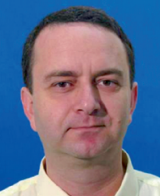
Dr. Mordechai Duvdevani
Director of Lithotripsy and Endo-Urology at the Hadassah Medical Center
Obstetrics and Gynecology
The Department of Obstetrics and Gynecology at Hadassah Ein Kerem is part of the Division of Obstetrics and Gynecology. The department offers a plethora of specializations in the field of women’s health such as infertility, pregnancy monitoring, complications in pregnancy, puberty, menopause, golden age, contraception and modern surgical gynecology.
Treatments are administered by leading obstetricians from around the country who work hand in hand with national and international specialists. The department operates laboratories and institutes including the sperm bank, IVF laboratories, egg donation programs, ultrasound institutes and research laboratories. The department works closely with all medical departments at Hadassah Medical Center. The department of obstetrics and gynecology at Ein Kerem implements the most advanced technologies with new and modern equipment, a leading medical team and unprecedented hospitalization conditions.
Oncology
The Department of General Surgery
The Sharett Institute of Oncology Department was established at the Hadassah Hebrew University Medical Center in 1977 as a national center for the prevention and treatment of cancer treatment in Israel and for cancer research.
The Sharett Institute of Oncology Department, serving the population of Jerusalem and environs, is a referral center for cancer patients from all over the world. More than 3,500 new patients are referred to the Sharett Institute each year.
The Sharett Institute strives for excellence, reliability and compassion in its cancer treatment. The Institute’s goal is to employ the best and foremost methods over the world, while addressing the special emotional needs of each and every patient. Along with offering standard cancer treatment, the Institute’s physicians include the patients in innovative and international clinical trials, and develop experimental and cutting-edge cancer treatment approaches at the Oncology Department. In order to achieve these goals the Institute operates special units that are inextricably linked, consisting of infrastructure units, specialized units focusing on specific spheres and interdisciplinary units.
The clinical units work closely with the most advanced research laboratories. Researchers, doctors and lab technicians work as a team to investigate new treatments and spheres relating to cancer, enabling rapid and maximum use of research outcomes in cancer treatment in Israel, diagnosis and prevention.
New Test Developed at Hadassah Predicts Presence of Harmful BRCA
Mutation Which Can Trigger Breast Cancer
Israeli researchers developed a blood test that reveals it is possible to predict the presence of harmful BRCA1 and BRCA2 mutations in otherwise healthy women using a novel technology called gene expression profiling. Women with a mutation in their BRCA1 or BRCA2 gene have a significantly increased risk for developing breast or ovarian cancer. For many of those at risk, the disease may develop at an early age.
“This novel technology aims to provide a layer of information regarding the cell functionality aspect of BRCA mutations that could greatly enhance the doctor’s ability to identify high-risk carriers. With gene expression profiling, researchers can search for genes that have the potential to distinguish healthy BRCA1 and BRCA2 mutation carriers from non-carriers.
The test can reveal whether a patient carries a harmful mutation regardless of the specificity of the mutation.
The Israeli research team–which included Prof. Tamar Peretz, Director of Hadassah’s Sharrett Institute of Oncology, and physicians from Tel Hashomer Hospital, Bar Ilan University, Barzilai Medical Center and Ariel University Center– reported their findings in Cancer Prevention Research, a journal of the American Association for Cancer Research. “In summary,” the researchers write, “our study provides insight into the biologic effect of heterozygous mutations in BRCA1 and BRCA2 genes in response to ionizing irradiation-induced DNA damage. We also suggest a set of 18 genes that can serve as a prediction and screening tool for BRCA1 or BRCA2 mutational carriers by using easily obtained lymphocytes.”
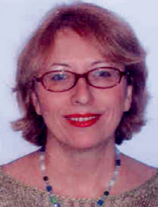
Prof. Tamar Peretz
Director of Hadassah’s Sharrett Institute of Oncology
Bone Marrow Transplantation and Cancer Immunotherapy
The Sidney Weisner Department of Bone Marrow Transplantation (BMT) and Cancer Immunobiology is dedicated to providing exceptional care and support for individuals with wide spectrum of hematological malignancies, non-malignant diseases and immunotherapy of solid tumors . Our dedicated team of specialists, nurses and technicians work together in planning and implementing treatments that are designed to meet the needs of each individual patient. Providing high quality treatment, access to the latest technology and research,and an encompassing “Patients First” philosophy makes the Department of BMT, Cancer Immunotherapy, Cell Therapy and Transplantation Research Center a leading treatment center.
The Department, catering to both adult and pediatric patients, includes both a comprehensive clinical treatment facility, including an outpatient clinic, and the Danny Cunnif Research Laboratories, which are engaged in numerous clinical trials a year and produce internationally recognized, innovative translational research results. We are always exploring new methods of treatment and are leaders in clinical trial research.
Prof. Reuven Or, Head of the Dept. of Bone Marrow Transplantation and Cancer Immunotherapy is conducting research on the transplantation of unmatched stem cells to enable adoptive T-cell therapy for cancer. He and his team are also studying the therapeutic applications of umbilical cord blood to treat their patients and are involved in the research and clinical aspects of using stem cells to treat hematological diseases, as well as solid malignant tumors. In the Sharett Institute of Oncology’s Laboratory of Biotechnology and Radiology, Director Prof. Raphael Gorodetsky Ph.D, and his team are conducting research on the isolation, growth and implantation of adult stem cells from different sources and their development in three-dimensional culture conditions.
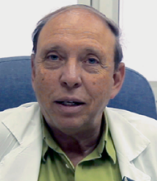
Prof. Reuven Or
Head of the Dept. of Bone Marrow Transplantation and Cancer Immunotherapy
New Treatment for New Genetic Mutation
Just last month, Prof. Orly Elpeleg, Head of the Dept. of Genetics and Metabolic Diseases, and Prof. Dror Mevorach, Director of the Center for Research in Rheumatology and Head of Internal Medicine Department B, identified a rare genetic disease that causes paralysis and a drug that prevents the progression of the disease. The report on their research discovery appears in the latest issue of the journal Blood. The defective gene is carried by 1 in 66 people of North African origin. When both parents pass it on to their child, it causes muscle paralysis after an illness involving a fever. Thus a common cold can end up in a disaster. Fortunately, the child’s brain is unaffected. Physicians throughout Israel incorrectly believed the paralysis was vaccination-related and relatives of affected children – even distantly related ones – were advised against vaccination. All the babies were completely healthy until they developed a virus and a fever – then they began to develop paralysis.
Using the Dept. of Genetics’ sophisticated equipment, Prof. Elpeleg and her team were able to pinpoint the disease that resulted from the common ethnic origin. It turned out to be a defect in the brake of the immune system – the protein that prevents, stops the machinery from firing. Prof. Mevorach, who has worked on this same protein for the past 15 years, was asked to step in. He not only proved the defect, but also proposed an experimental drug that is effective in a similar rare disease. The first four children who were treated were saved from paralysis and some of them have already been able to stand and walk.
Cardiothoracic Surgery
Heart diseases are a major cause of suffering and can be fatal. However, early detection and treatment can lead to a positive outcome for most patients. The Department of Cardiothoracic Surgery offers state-of-the-art treatment to patients in need of cardio related surgery.
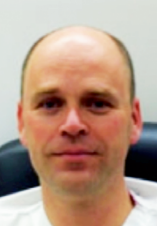
Prof. Haiim Danenberg is an experienced Interventional cardiologist and since 1997 he is the head of interventional cardiology at the Hadassah Medical Center in Jerusalem Prof. Danenberg is renowned as an expert operator of complex coronary and structural heart procedures and a leader in the field of percutaneous aortic valve implantation for which he is a mentor worldwide.
Coronary Artery Bypass Surgery is offered to patients suffering from coronary artery disease and it is decided that this treatment method is preferable to catheter intervention. A significant number of these operations are now performed without the heart-lung machine. Malfunctioning heart valves are repaired when possible, with the help of intraoperative echocardiographic control of the operation. If necessary, severely deformed valves are replaced using a variety of substitutes. Atrial Fibrillation, which complicates the both valvular and ischemic heart disease in many patients, can worsen symptoms of heart failure and allow the formation and embolization of blood clots. Using the most advanced technology available, Hadassah’s highly-skilled surgeons perform the cryo-MAZE procedure to correct this heart rhythm disturbance.
Tumors in thoracic organs and other pathological issues in the chest are treated by a multidisciplinary team, applying the modern concepts tailored carefully to the individual patient. Extensive and complex operations to replace pathologic segments of the aorta – in collaboration with the Department of Vascular Surgery – are performed using cutting-edge technology with special attention to multi-organ protection.
Prof. Haiim Danenberg
Head of interventional cardiology at the Hadassah Medical Center in Jerusalem
Innovative new treatment to lower high blood pressure
For the first time in Israel, doctors at Hadassah’s Heart Institute used an innovative catheterization tool to successfully perform a new procedure on a 72 years old woman suffering from severe and uncontrolled chronic hypertension (high blood pressure). The minimally invasive outpatient procedure, which takes only 40 minutes to perform, blocks the over functioning nerves and permanently lowers blood pressure.
The procedure, called renal denervation, is based on research showing that overactive kidney nerves are a major contributor to the progression of high blood pressure. Renal denervation involves selectively disabling renal nerves within the sympathetic nervous system. Ardian Inc., a subsidiary of Medtronic Inc., developed the special catheterization tool to cauterize specific nerves in the kidneys.
In a straight-forward endovascular procedure similar to angioplasty, Prof. Chaim Lotan, Head of the Heart Institute at Hadassah, together with Prof. Allan Bloom, Director of the vascular and interventional radiology center, and Prof. Haim Danenberg, director of the cardiovascular research center at the Heart Institute, inserted a small, flexible catheter with an electrode on its tip into the patient’s femoral artery in the upper thigh and threaded it into the renal artery. Once in place, controlled amounts of low-power electrical energy are applied to deactivate the surrounding renal sympathetic nerves, reducing the hyperactivity of the sympathetic nervous system.
The standard treatment for hypertension is based on a combination of medications and a healthy lifestyle that includes a balanced diet and exercise. The side effects of the medications, which must be taken daily, often impact the patient’s quality of life.
Though it has no symptoms, hypertension is one of the main causes of heart failure, kidney failure and strokes in Israel and worldwide. Nearly one billion people suffer from hypertension worldwide
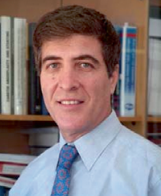
Prof. Chaim Lotan
Head of the Heart Institute at Hadassah
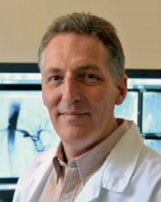
Prof. Allan Bloom
Director of the vascular and interventional radiology center
The Department of Ophthalmology
The Department of Ophthalmology provides medical and surgical services at the highest level in all subspecialties in ophthalmology. The Department of Ophthalmology operates the following clinical services: comprehensive ophthalmology, cornea and external eye diseases, glaucoma, medical retina, vitreo-retinal surgery, pediatric ophthalmology, ocular oncology, uveitis, neuro-ophthalmology and oculoplastics. Each of these subspecialties is served by senior physicians ranked amongst the leaders in the country, working together with Israeli and foreign residents. In addition, the department provides services in ocular pathology, vision functions and electrophysiology, ocular immunology, ocular ultrasonography and ophthalmic photography and imaging.
Approximately 40,000 patients are served and about 3,500 patients are operated every year in the Department of Ophthalmology at the Hadassah University Hospital, in its Ein Karem center and its branches at Mt. Scopus and the Michaelson Institute for the Prevention of Blindness. In addition, thousands of patients undergo refractive surgery in our new laser center in Malcha.
In the cornea and anterior segment field, the department leads in refractive surgery, using the LASIK technique and it is the only one in Israel that performs transplantation of limbal stem cells and transplantation of amniotic membranes in treating severe ocular surface conditions. Together with the ocular oncology service, the department treats patients with ocular surface malignancies by Mitomycin-C drops, a method that was developed by the department’s experts and is now in use in many centers worldwide.
The ocular oncology service continues its unique role in treating patients with intraocular tumors, mainly uveal melanomas and retinoblastomas. Hadassah is one of only two centers in the world using intraocular chemotherapy in treating intraocular lymphoma and is pioneering the use of epi-ocular and intraocular chemotherapy in other malignant conditions. The ultrasound service provides imaging of the anterior and posterior segments of the eye, with the help of A- and B-scan ultrasound equipment and high-frequency ultrasound. This service has the most experience in the country in the diagnosis and follow-up of patients with intraocular tumors.
In the medical retina service, the department’s professionals have developed the Macular Degeneration Center, which deals with macular diseases in adults and children. In the past three years, they have been using Photodynamic Therapy (PDT) for the treatment of Age-Related Macular Degeneration (ARMD). This center is very active in basic and clinical research. The department’s retinal specialists are using different types of laser, such as the argon-krypton, diode-laser and the Visuals laser for PDT.
The vitreoretinal surgeons perform the most complicated operations of the retina and vitreous, including removal of sub retinal membranes, retinectomies and transposition of retina, peeling of membranes and others, and are the only ones in the country who use intricate retinal surgery to treat severe cases of ROP, where hope for vision has been lost.
In the glaucoma service, Hadassah treats patients with severe glaucoma by advanced medical therapy, surgery and various laser treatments. Cataract surgery is performed, using delicate instrumentation for the suture-less phacoemulsification procedure, with insertion of state-of-the-art foldable lenses. YAG laser is used for capsulotomy in cases of secondary cataract.
The staff of the pediatric ophthalmology unit treat all varieties of ocular diseases in children, and are leading the treatment of congenital cataract and other types of cataracts in childhood. In Hadassah’s uveitis service, patients with uveitis of various etiologies and other ocular inflammatory diseases are treated. This service also cares for patients with difficult eye conditions that accompany their systemic illnesses.
The neuro-ophthalmology clinic handles ambulatory patients who are referred to Hadassah with difficult optic nerve and visual system problems, and provides consultation services to the departments of neurology and neurosurgery.
The oculoplastic clinic deals with diseases of the orbit, eyelids and lacrimal system, and collaborates with the departments of plastic surgery, ENT, and maxillofacial surgery in treating complicated problems
The Department of Orthopedics
The Orthopedics Department at Hadassah was recognized by the CAOS International as a Center of Excellence for Computer Assisted Orthopedic Surgery.
Trauma or diseases of bone, muscle, ligaments and joints affect a good portion of the population. Accidents, sports injuries, joint inflammations, degeneration and cancer harm a variety of patients ranging from children to the elderly. Trauma and disease cause pain and limitation of activity, sometimes requiring lifestyle modifications. The Orthopedics Department at Hadassah provides comprehensive and quality treatment of a wide range of problems to people of all ages.
Following accurate diagnosis, many problems are resolved by physical treatment, medications and/or injections. Sometimes there is a need for a surgical procedure to resolve the condition in order to improve the patient’s functioning.
Structure of the Orthopedics Department
The Orthopedics Department is located on both the Hadassah Ein Kerem and Hadassah Mount Scopus campuses in Jerusalem. This division is only physical. The Department functions as one unit, with each complementing the other, sharing information and maximizing the resources available to the Department in order to provide the best services to the patient.
Additionally, the Department is divided into specialty units, each treating a specific portion of the skeletal system.
Vascular and Interventional Radiology (VIR), also known as “minimally invasive image guided surgery”, is characterized by non-operative high tech solutions to many common medical problems.
Utilizing sophisticated imaging, state of the art technology, and without the need for general anesthesia and open surgery, VIR provides durable and effective treatments for a multitude of conditions. In many cases these therapies are as good as, or better than, any existing open surgical alternative.
This fact explains the recent meteoric rise of this medical specialty to ‘center stage’ status in modern practice.
Breakthrough in Knee Replacement at Hadassah
Using a unique new procedure, knee replacement surgery based on a gyroscope and WiFi, Hadassah orthopedic surgeons conducted the first operation of its kind in Israel and in Europe. Known as IASSIST, the personalized guidance system for knees was developed by Zimmer, a world leader in developing technologies and tools for orthopedic surgery. Prof. Iri Liebergall, Chairman of Hadassah’s Department of Orthopedic Surgery was a member of the medical team that developed the new technology.
In a manner resembling the system used in aircrafts, the gyroscope enables surgeons to accurately situate the bone at the proper plane and provides them with the precise angle for the incision in the bone. Like the technology that provides access to the Internet, the WiFi component enables communication between the tool on the patient’s knee bone and the operating room computer. Together, the gyroscope and the WiFi give surgeons maximum accuracy, resulting in less blood loss for the patient and reduces the need for a greater array of equipment.
To date, Prof. Liebergal, Dr. Yoav Mattan, Director of Hadassah’s Joint Replacement Unit, and their colleagues Dr. Gurion Rivkin and Dr. Leonid Kandel, have performed four successful knee replacements using the new procedure. In 2004, Prof. Liebergall and Dr. Mattan performed the world’s first computer assisted hip replacement. Then – as now – Zimmer developed the technology. The International Society for Computer Assisted Orthopedic Surgery has designated Hadassah’s Department of Orthopedic Surgery a Center of Excellence for its outstanding accomplishments and its innovative use of new technologies and surgical tools.
“IASSIST is yet another step forward in the advancement of computer assisted orthopedic surgery,” said Prof. Liebergall. “We are proud that Hadassah continues to play such a pivotal role and that internationally recognized leaders in the field such as ZIMMER launch their flagship products at Hadassah.
” Prof. Meir (Iri) Liebergall, head of Orthopedic Surgery at Hadassah, was also the guest speaker at a workshop hosted by the Italian Society of Muscles, Ligaments, and Tendons. He presented Hadassah’s unique experience in employing stem cells to regenerate ligament and tendon tissue.
Peripheral Vascular Disease - PVD
PVD, or atherosclerotic vascular disease, is extremely common in the developed world and tends to affect the arterial tree at multiple locations including the legs, abdomen/pelvis, heart and neck. PVD may be present with stenosis, occlusion or thromboembolism that result in decreased blood flow or aneurysm disease.
Hadassah experts in all catheter based ‘Endovascular’ therapies that avoid the need for conventional open surgery and are ideally suited for treating many of the complications of PVD. Both stents and stent grafts can be inserted when appropriate to achieve maximum clinical benefit.
Hadassah gained unique expertise in treating many complex conditions such as renal artery stenosis, abdominal aortic aneurysms and occlusive disease leading to foot ulceration or rest pain, particularly in diabetic patients who have been excluded from other forms of therapy.
Uterine Fibroid Embolization - UFE
This is a new minimally invasive therapy for women with symptomatic uterine fi broid tumors (myomas) that is suitable for many patients. Using a standard angiographic technique via the femoral (groin) artery, the uterine arteries, which supply blood to the tumors, are selectively catheterized and the tumor vessels are permanently occluded using particulate material.
General anesthesia is not necessary, hospital admission is only 24 hours, and full recovery to normal activity is expected within 1 week of treatment. The procedure has been shown to be highly effective and is currently the procedure of choice for women who have multiple tumors and desire to preserve the uterus.
Treatment of Arterial and Venous Disease
The minimally invasive catheter based image guided techniques are utilized daily to treat patients with venous diseases such as deep vein thrombosis, pulmonary embolism, central venous stenosis (especially in dialysis patients) and more.
Similarly, patients with arterial disease, including vascular malformations, can be managed using minimally invasive techniques. Open surgery is avoided, general anesthesia is unnecessary and hospital stay is minimized.
Liver Unit at Hadassah University Hospital
Dr. Rifaat Safadi is on a mission to find a cure for liver disease.
After years of hunting, Dr. Rifaat Safadi and his team of Hadassah medical researchers in Jerusalem have found the gene that causes liver disease. This groundbreaking discovery paves the way for potential new treatments.
Safadi, an Arab-Israeli physician who heads the Liver Unit at Hadassah University Hospital in Ein-Karem, tells ISRAEL21c that while the gene, Neuroligin 4 (NLGN4), was already known to be involved in brain neuron communication, his team was the first in the world to identify NLGN4 in the immune system and liver.
“The gene is there and now the question is how much of it is being expressed, since an over-expression of this gene is affecting immune system modulation, or the immune control of fibrosis in the liver,” he explains.
In a healthy person, NLGN4 helps repair liver tissue when it gets damaged by daily abuses. But if the immune system is compromised by hepatitis, alcohol consumption, over-eating or the use of some medications, the gene overreacts and doesn’t work as well to prevent liver scarring. This increases the risk of cirrhosis of the liver — the final phase of advanced liver disease.
Ordinarily, Safadi adds, the immune system’s “natural killer” (NK) cells do the work of keeping a stressed liver scar-free. But once cirrhosis develops, NLGN4 inhibits these NK cells.
“Everyone has the gene,” says Safadi, “whether it’s over-expressed or not. Our approach is how to target the over-expression and to reduce this expression to control the fibrosis.”
In the study, Safadi and his team took blood samples from hospital patients to look at their NK cells. One group had cirrhosis of the liver, while the other was a control group for comparison purposes.
Hadassah’s Hadasit Technology Transfer Company has patented Neuroligin 4 and Safadi plans on working toward creating a drug based on the new knowledge, which was reported at an American Association for the Study of Liver Diseases in Boston late last year
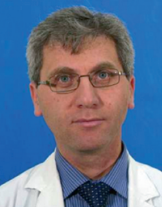
Dr. Rifaat Safadi
Head the Liver Unit at Hadassah University Hospital in Ein-Karem
Portal Hypertension Hepatocellular
Carcinoma Bile Duct Diseases
VIR provides minimally invasive treatments applicable in a wide range of liver disease including portal hypertension, Budd-Chiari syndrome, biliary diseases, as well as primary and secondary liver cancers.
Therapies that are routinely performed include TIPS (transjugular intrahepatic portosystemic shunt), transjugular liver biopsy, balloon venoplasty and stenting, biliary drainage and stenting, tumor embolization and chemoembolization, and radiofrequency ablation.
Groundbreaking Surgical Technique
An innovative procedure to remove cancerous tumors from the gastrointestinal tract was performed at the Hadassah University Medical Center’s Institute of Gastroenterology and Liver Diseases recently. Using special instruments inserted through an endoscope – a surgical tool used to examine body cavities – surgeons ‘peeled’ the lesion from the gastrointestinal wall.